
The transformation of gambling from ancient rituals to modern casinos
The Origins of Gambling in Ancient Cultures
The practice of gambling dates back thousands of years, with evidence found in ancient civilizations such as Mesopotamia, China, and Egypt. These early societies engaged in games of chance not merely for entertainment but as part of religious and cultural rituals. Dice made from bone and clay were among the earliest gaming tools, often used in divination practices to seek guidance from the gods. Many enthusiasts today enjoy this historical backdrop, visiting the best bitcoin casino for a modern gaming experience that echoes these ancient traditions.
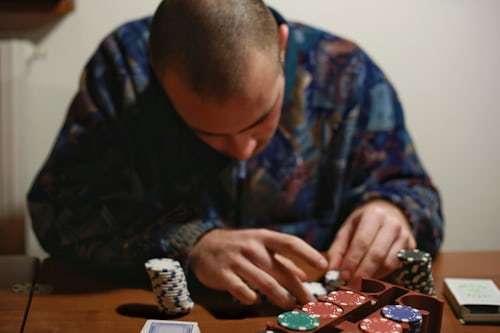
In these ancient cultures, gambling often held significant meaning beyond mere luck. It was intertwined with social structures, serving as a method for settling disputes, distributing resources, or predicting future events. This deep-rooted connection between chance and the divine helped shape the evolving perception of gambling through the ages.
The Evolution of Gambling Practices
As societies advanced, so did their gambling methods and regulations. The introduction of card games in the 9th century in China marked a significant shift, paving the way for various modern games. By the time these games spread to Europe in the 14th century, they had undergone numerous transformations, adapting to the cultural and legal frameworks of different regions.
With the establishment of structured rules and betting practices, gambling began to gain acceptance in society. Public gaming houses emerged, becoming hotspots for social interaction. This evolution showcased the shift from clandestine rituals to more organized forms of gambling that attracted a wider audience and laid the foundation for modern casinos.
The Rise of Modern Casinos
The modern casino experience is a far cry from the ancient practices of gambling. The late 17th century in Italy saw the establishment of the first official casino, which introduced a more regulated environment for gambling. This model spread across Europe and eventually to the United States, leading to the grand and elaborate casinos we see today.
Today’s casinos are designed to captivate and engage, utilizing sophisticated architecture and advanced technology. They create an immersive environment that combines entertainment with gambling, attracting millions of visitors each year. The introduction of online gambling has further transformed this landscape, allowing people to engage in gaming from anywhere in the world.
The Psychology Behind Gambling
The psychology of gambling plays a crucial role in its appeal and the behaviors surrounding it. Many gamblers are drawn to the thrill of risk-taking, often influenced by the anticipation of winning and the excitement of gameplay. This psychological aspect can lead to both enjoyment and, in some cases, addiction, making it essential to understand the motivations behind gambling behavior.
Understanding the cognitive biases and emotional triggers that influence gambling can help in creating safer gaming environments. Various strategies, such as setting limits and providing information about responsible gambling, are now implemented to address the psychological factors involved. By acknowledging these elements, the gambling industry continues to evolve in a way that prioritizes player safety.

Stay Informed with ColbertNewsHub
For the latest insights on the gambling industry and its cultural significance, ColbertNewsHub offers engaging articles and updates. The website is dedicated to keeping readers informed about trends and developments in entertainment, including the dynamic world of gambling.
Even during technical challenges, ColbertNewsHub remains committed to delivering quality content. Visitors can expect a seamless experience upon their return, ensuring they stay in the loop on the latest news related to gambling and more.